

Modern jet engines – from high‑bypass turbofans to regional turboprops – are among the most complex and expensive assets in the world. They power passenger jets, cargo freighters, military aircraft, and emergency response missions. A single unplanned engine removal can cost millions and disrupt global supply chains. That’s why the engine borescope has become an essential tool in every maintenance hangar.
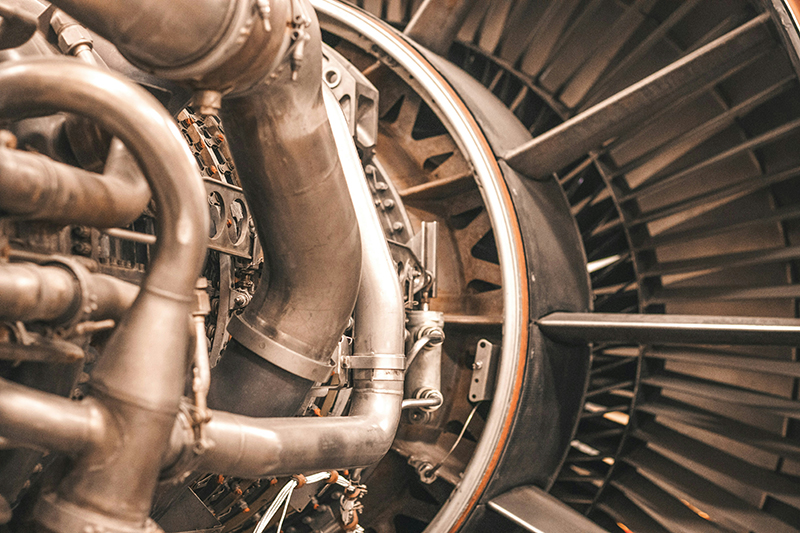
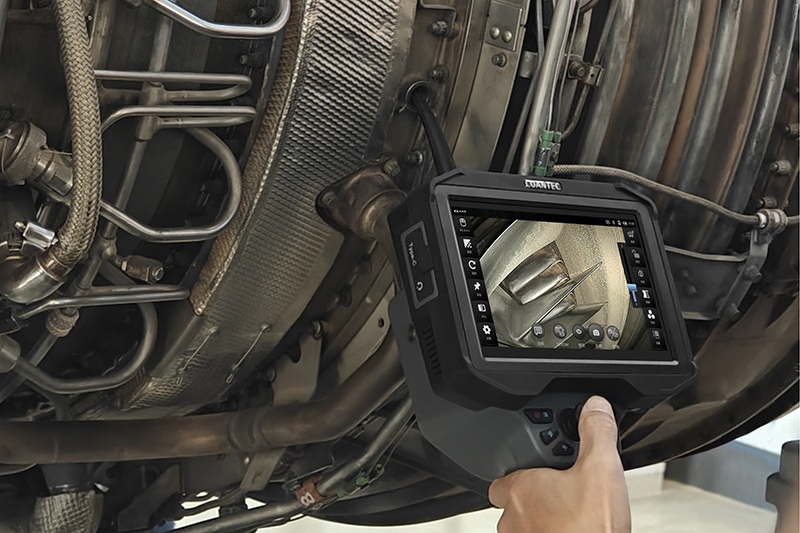
An engine borescope inspection is a non‑destructive technique that lets engineers see inside an engine without taking it apart. Using a flexible or rigid probe equipped with a high‑definition camera and light source, inspectors can examine turbine blades, compressor disks, combustion chambers, and fuel nozzles in vivid detail. The real‑time video helps detect tiny cracks, erosion, foreign object damage (FOD), or thermal distress long before they lead to a failure.
A typical engine borescope inspection follows a structured process that ensures both safety and accuracy:
Preparation – The maintenance team reviews the engine’s history and the manufacturer’s borescope manual. They verify that the engine is fully cooled and that the borescope equipment is calibrated.
Accessing the Engine – Technicians open special access ports or borescope entry holes, following strict protocols to avoid damaging nearby components.
Probe Insertion – The borescope probe is carefully guided through the engine’s internal passages. Many modern borescopes have articulating tips that can bend up to 180°, allowing the inspector to look around corners and into tight gaps.
Data Capture – Inspectors record high‑resolution images and videos. Some advanced engine borescope systems include measurement software that can calculate crack depth, pit width, or coating loss.
Analysis & Documentation – The captured media is compared against OEM limits. Any findings are logged into the engine’s digital maintenance record, providing a trend‑based health history.
1. Early Detection of Hidden Defects
Most engine failures start with microscopic damage – a hairline crack in a turbine blade or a small dent from an ingested stone. These defects are invisible from the outside. An engine borescope can spot them during routine checks, allowing repair or replacement before the part fails catastrophically.
2. Reducing Unplanned Downtime
Without borescope technology, engineers would have to partially dismantle the engine to look inside – a process that takes days or weeks. Borescope inspections are often completed in a few hours, keeping aircraft flying and generating revenue.
3. Meeting Regulatory Mandates
Aviation authorities such as the FAA, EASA, and CAAC require periodic internal inspections for many engine models. Using an engine borescope is the standard way to comply with Airworthiness Directives (ADs) and manufacturer service bulletins.
4. Enhancing Fuel Efficiency and Performance
A clean, damage‑free engine runs more efficiently. Borescope inspections help identify compressor blade fouling, nozzle coking, or turbine tip rubs – conditions that increase fuel burn. Fixing these issues saves thousands of dollars per engine per year.
5. Supporting Condition‑Based Maintenance
Instead of replacing parts on a fixed schedule, airlines are moving toward predictive maintenance. Regular engine borescope inspections feed real‑time data into health monitoring systems, enabling operators to replace parts only when necessary.
In one documented case, a routine engine borescope inspection revealed a small crack in a high‑pressure turbine blade of a CFM56 engine. The crack was only 1.5 mm long – too small to cause immediate trouble but large enough to grow rapidly under high thermal stress. The blade was replaced during a scheduled overnight check. Had the crack gone unnoticed, it could have led to blade liberation and an in‑flight shutdown within 50 flight cycles.
The latest engine borescope systems are integrating artificial intelligence. AI algorithms can automatically compare captured images against a library of known defects, flagging anomalies and even suggesting remaining useful life. This reduces human error and speeds up decision‑making. Some borescopes also include 3D phase‑measurement capabilities, allowing inspectors to measure pits and cracks with micron accuracy.
To get the most out of an engine borescope, maintenance teams should follow these guidelines:
Always use the correct probe diameter and length for the specific engine model.
Clean the borescope lens before each insertion – a smudged lens can hide critical details.
Follow a standardized inspection path (e.g., from compressor rear to turbine front) to avoid missing areas.
Store borescope images with clear labels (engine serial number, date, inspection zone) for future trend analysis.
Train inspectors regularly on both equipment handling and defect recognition.
The engine borescope has transformed aviation maintenance from a reactive, disassembly‑heavy process into a proactive, data‑driven practice. By providing a clear window into the engine’s core, it catches small problems before they become big ones, reduces costly downtime, and most importantly – keeps passengers and crew safe. As engine designs become more complex and operating costs continue to rise, the borescope will remain an indispensable tool for airlines, MROs, and CAMOs worldwide.
For organizations managing continuing airworthiness, integrating regular engine borescope inspections into the maintenance program is not just a regulatory requirement – it is a strategic investment in safety and reliability.
Copyright © 2025. Coantec Ltd. All rights reserved. sitemap